Buying a home is an adventure, full of excitement and, let’s face it, a bit(lot) of stress. One crucial step that often gets overlooked in the whirlwind of paperwork and emotions is the home inspection. So, what exactly are home inspections? Let’s deep dive into what you should expect, and why they are so darn critical. I’m going to explain why I would never allow my clients to waive an inspection.
The Basics of Home Inspections
At its core, a home inspection is an examination of a property’s condition. Conducted by a qualified inspector, it typically takes place soon after an offer is accepted and is often a contingency in the purchase agreement. The inspector evaluates the home from top to bottom, looking for issues that might affect its safety, functionality, and value. I must add how important it is to find an inspector that doesn’t have an interest in the property (ie. using an inspector contracted by the company who built your home)
What to expect…
- Scheduling the Inspection: Once your offer is accepted, it’s time to schedule an inspection. This usually happens within a few days, so be prepared to act quickly.
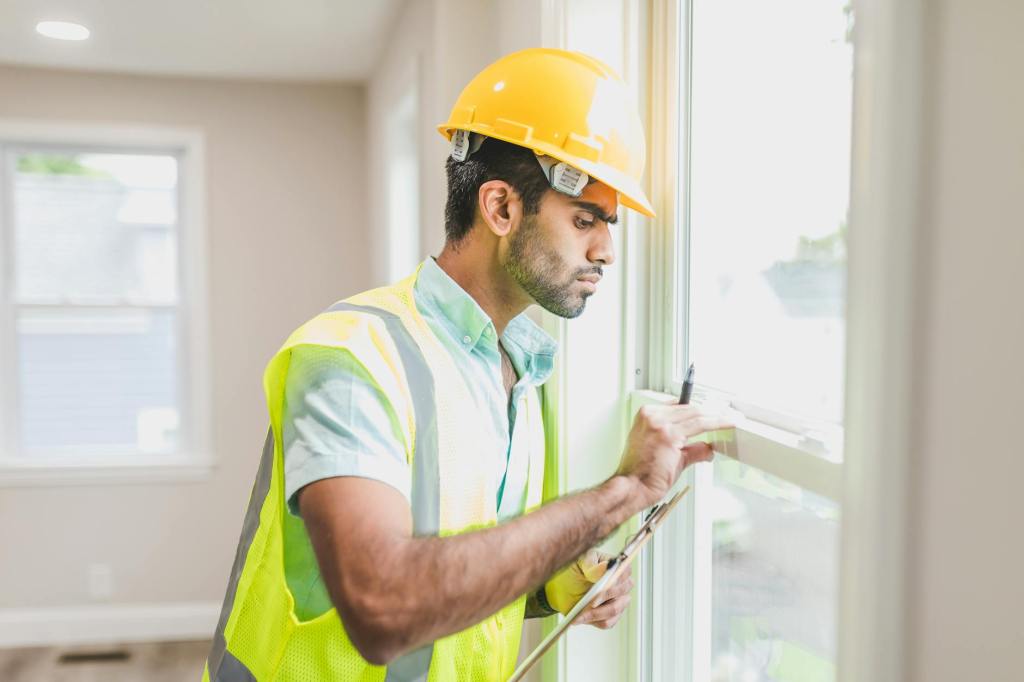
- The Inspection Day: Expect the inspection to last anywhere from 2 to 4 hours, depending on the property’s size and condition. You’ll want to be present to ask questions and understand the inspector’s findings firsthand.
- Areas Inspected: Inspectors will check the roof, foundation, plumbing, electrical systems, HVAC, and more. A general home inspector can also look for signs of pests, mold, radon gas, or water damage. You may need to get a specialist or add on some of these services with your home inspector.
- The Report: After the inspection, you’ll receive a detailed report outlining any issues, complete with photos and recommendations for repairs.
Why Home Inspections are Important
- Uncover Hidden Problems: Even the most beautiful homes can hide serious problems. An inspection helps uncover issues that aren’t visible to the untrained eye.
- Negotiation Leverage: Armed with the inspection report, you can negotiate repairs or a lower price with the seller.
- Peace of Mind: Knowing the true condition of the home allows for informed decisions, ensuring you’re not buying a money pit.
- Safety Assurance: Inspectors identify safety hazards, such as faulty wiring or structural issues, protecting you and your family.
Bonus: Key Areas of Focus
Roof and Attic
- What to Expect: Inspectors will check for leaks, damaged shingles, and ventilation issues.
- Why It’s Important: Roof repairs can be costly, and poor attic ventilation can lead to mold or increased energy costs.
Foundation and Structure

- What to Expect: The inspector will look for cracks, uneven floors, or signs of settling.
- Why It’s Important: Foundation problems can affect the entire home’s stability and value.
Plumbing and Electrical Systems
- What to Expect: Inspectors will test water pressure, check for leaks, and evaluate electrical panels and outlets.
- Why It’s Important: These systems are crucial for everyday living, and issues can be expensive to fix.
HVAC Systems
- What to Expect: The inspection will assess the heating, ventilation, and air conditioning systems.
- Why It’s Important: A malfunctioning HVAC system can lead to discomfort and high utility bills.
Interior and Exterior

- What to Expect: Inspectors will examine windows, doors, walls, ceilings, and flooring.
- Why It’s Important: These components contribute to the home’s energy efficiency and aesthetic appeal.
FAQs About Home Inspections
1. Can a home fail an inspection?
No, homes don’t pass or fail inspections. The inspection is a report on the property’s condition, highlighting issues for the buyer’s consideration. Use your best discretion and ask your Agent if they can include additional inspections if recommended by an inspector.
2. Should I attend the inspection?
Absolutely! Being present allows you to ask questions and gain a deeper understanding of the inspector’s findings. They can answer questions and may give you advice and more detailed information on their findings.
3. What if the inspection reveals major problems?
If significant issues are discovered, you can negotiate with the seller for repairs, a price reduction, or even walk away from the deal if the contract allows. A good realtor will help you protect your interests since once you purchase the property its all yours and your responsibility.
4. How much does a home inspection cost?
Costs vary by location and size of the home but typically range from $300 to $500. Consider it an investment in your future.
5. Are new homes exempt from inspections?
Even new constructions can have defects. An inspection ensures everything is up to code and completed to a high standard.
Just a recap
Home inspections: what to expect and why they’re important is a topic every homebuyer should be well-versed in. They offer a critical snapshot of a property’s condition, allowing you to make informed financial decisions when assuming the responsibility of a new home. New Build or 1800s Victorian, no home is exempt from a quality home inspection. So, next time you’re caught up in the whirlwind of buying a home, remember this key step. It might just save you a world of trouble down the line.
As a realtor, one of my recommended home inspectors is Daniel from Vault Property Inspecitions.
 Realtor Bry Nicole - Keller Williams Greater Metropolitan
Leave a comment