
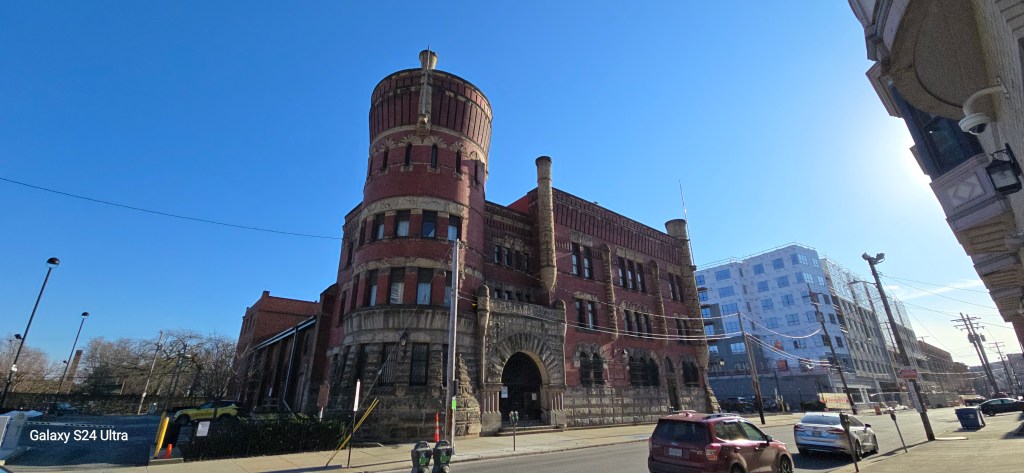
So lately I’ve been a bit obsessed with Architects, specifically ones from Cleveland. Cleveland’s architectural history is rich with stories of innovation and artistry, and Fenimore C. Bate stands out as a key figure who left an indelible mark on the city. Bate was known for his diverse designs. His creative approach played a significant role in shaping Cleveland’s urban and residential landscape during the late 19th and early 20th centuries. Among his many contributions, the most notable of his work is the Grays Armory building located at 1234 Bolivar Road.
A Legacy of Creativity and Innovation
Born in Cleveland in 1857, Fenimore C. Bate emerged as one of the city’s most prolific architects during a time of rapid growth and transformation. His career began humbly, working as a draftsman for other architects, but he quickly made a name for himself. By the mid-1880s, Bate had established his own practice, designing homes, commercial buildings, and industrial structures across Cleveland and beyond. His work was celebrated for its distinctiveness. It departed from the monotonous styles of the era. It showcased creativity and refinement (one of the things I love most about Cleveland).
The Cleveland Grays Armory: A Romanesque Revival Masterpiece
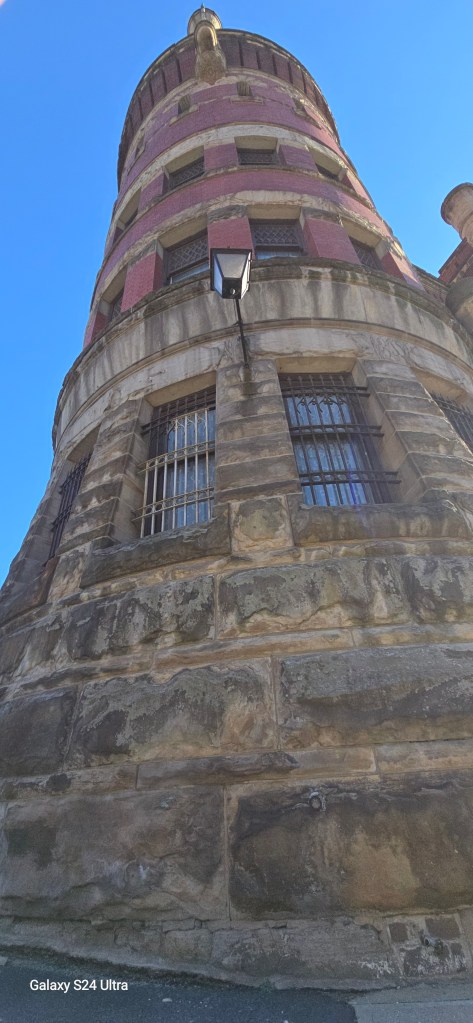
Bate’s crowning achievement is undoubtedly the Cleveland Grays Armory, completed in 1893. This Romanesque Revival-style building has a robust stone façade. It features intricate detailing and commands presence. It was designed as the headquarters for the Cleveland Grays, a historic volunteer militia. The armory not only served as a functional military space but also became a cultural and social hub for the city.
The Grays Armory’s design reflects Bate’s mastery of blending aesthetic appeal with practical use. Its fortress-like appearance features turrets and arched windows. This design conveys a sense of strength and permanence. At the same time, it maintains an inviting and elegant character. Today, the armory stands as one of Cleveland’s most treasured landmarks. It hosts events and preserves the legacy of both the Grays and Bate’s architectural vision.

Preserving Bate’s Contributions
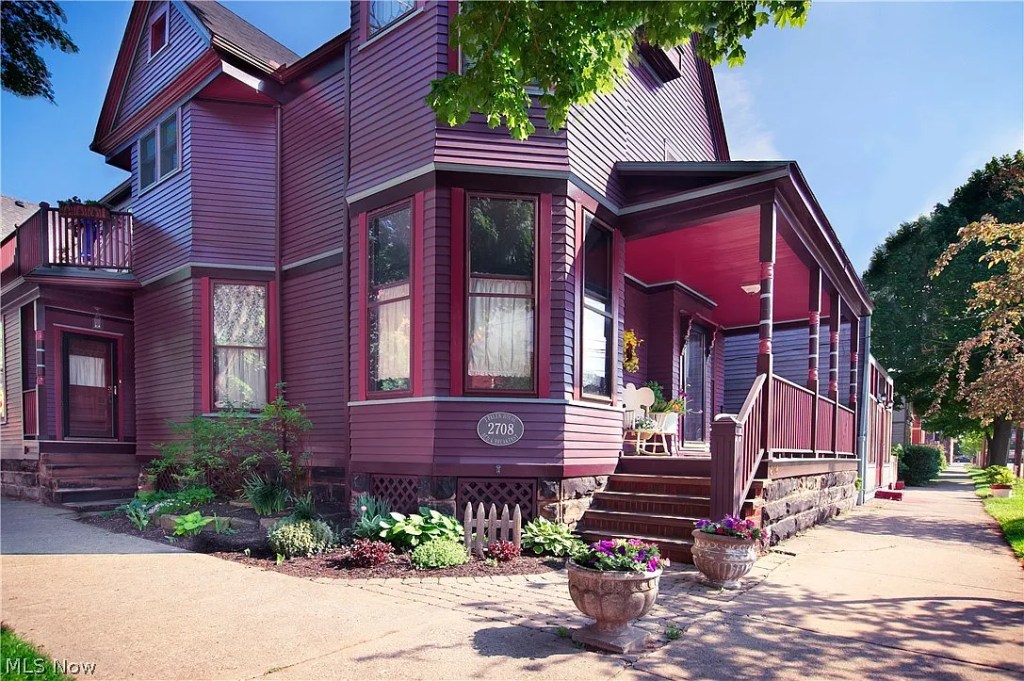
While many of Bate’s creations have been lost to time, several of his residential and commercial designs still stand. They offer a glimpse into his talent and the architectural trends of his era. His work encompassed everything from Queen Anne-style homes, like the Schellentrager House, to innovative apartment buildings and industrial facilities. These structures not only served their purpose but also enhanced the character of the neighborhoods they inhabited.
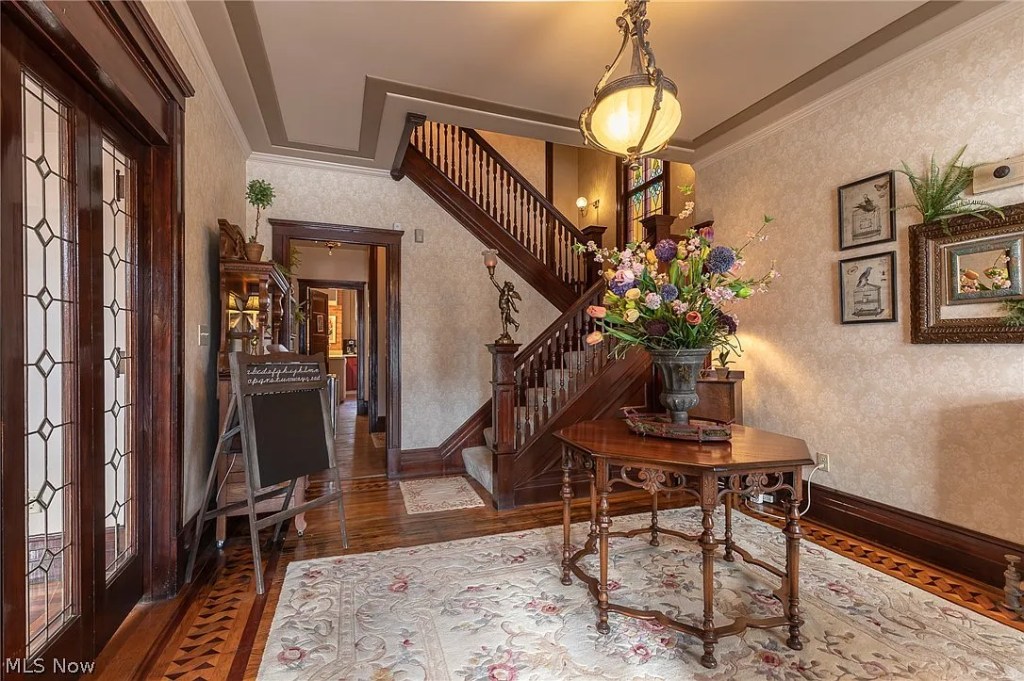
This home is an honorable mention as it still stands. Build in 1897, this home was just recently listed for sale in 2023 and sold for $522,500. This house was built for Dr. James Stotter. I didn’t find any additional information on him.
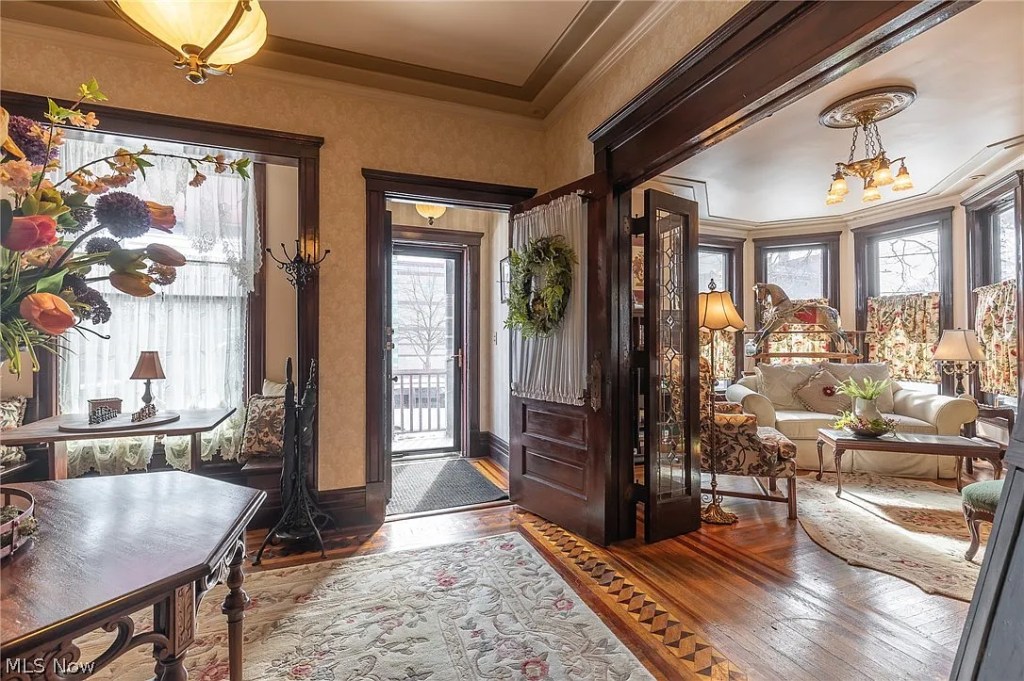

https://www.zillow.com/homedetails/2708-Bridge-Ave-Cleveland-OH-44113/33330228_zpid/
My admiration for this home just exemplifies my admiration for his contributions.
Honoring the Past, Inspiring the Future
Fenimore C. Bate’s contributions to Cleveland’s architectural heritage continue to inspire admiration and respect. His designs, particularly the Cleveland Grays Armory, remind us of the importance of preserving history while celebrating creativity and ingenuity. As Cleveland evolves, the work of architects like Bate serves as a foundation for the city’s ongoing transformation.
If you’re passionate about exploring Cleveland’s rich architectural history or looking for timeless design inspiration, the legacy of Fenimore C. Bate offers a wealth of insight and appreciation for the artistry of the past.


Both of these homes are still standing and I just wanted to capture the arches on the 2nd story windows.
 Realtor Bry Nicole - Keller Williams Greater Metropolitan
Leave a comment